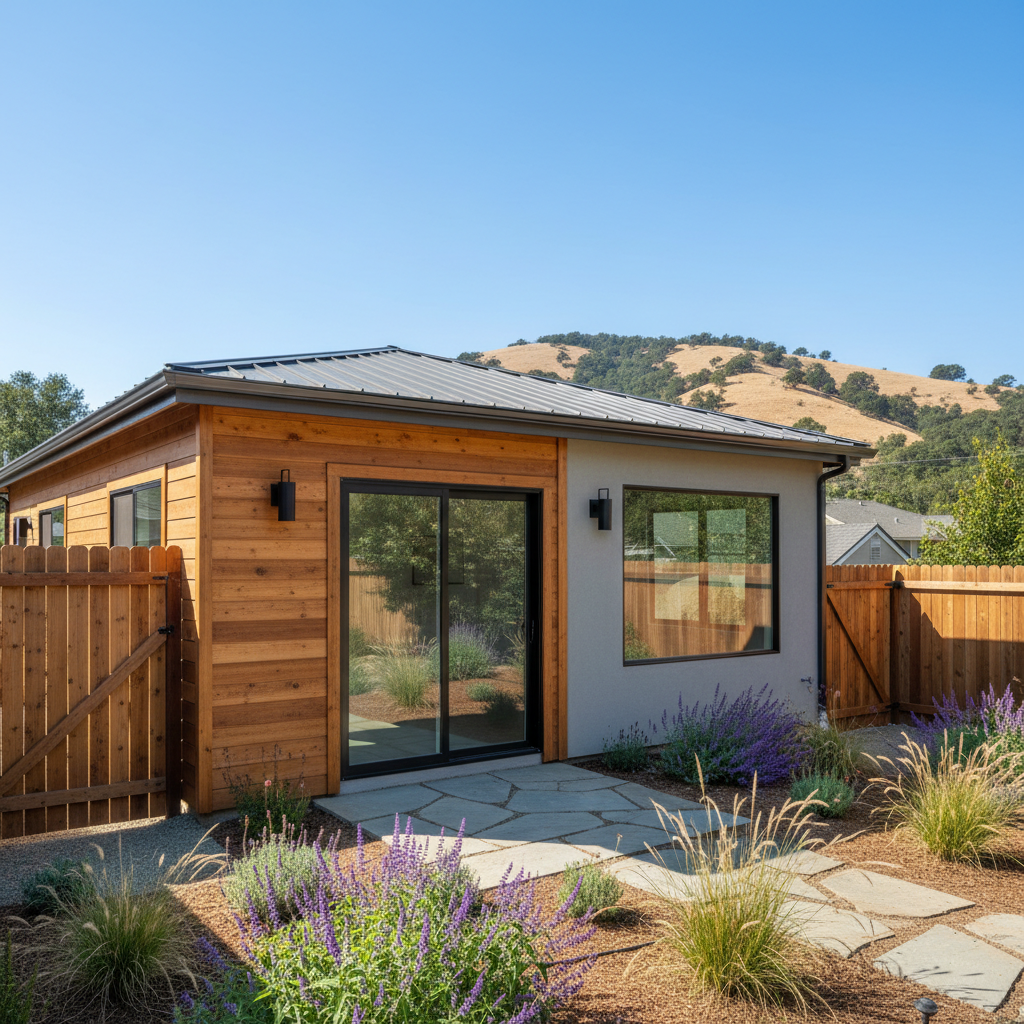
So, you've got an attached ADU, huh? Smart move. Whether it's a garage conversion or a brand-new addition, you've definitely added serious value and flexibility to your property. But like any part of your home, it needs a little TLC to stay healthy and keep earning its keep. Here in Santa Rosa, we've got some specific things to watch out for, and I'm going to walk you through what you need to know.
Extending Your ADU's Lifespan: It's All About Prevention
You want your ADU to last, right? Of course you do. The best way to extend its life is to be proactive. Think of it like this: a little bit of attention now saves you a whole lot of headache and money down the road. For attached ADUs, especially those built onto existing structures, the key is often about managing moisture and keeping the connection points strong.
- Keep an eye on the roof: This is huge. Our Santa Rosa winters can dump a lot of rain, and if your ADU's roof isn't shedding water properly, you're asking for trouble. Clear gutters regularly, especially after those fall leaves drop. Check for missing or damaged shingles, cracked flashing around vents or chimneys, and any signs of standing water. If you see moss or algae growing, it's not just ugly; it can trap moisture and degrade your roofing materials.
- Sealants and caulking: These are your first line of defense against water getting in. Check around windows, doors, and where the ADU meets the main house. Over time, caulk dries out, cracks, and pulls away. A fresh bead of high-quality, exterior-grade sealant every few years can prevent a lot of headaches.
- Paint and siding: Don't underestimate the power of a good paint job or well-maintained siding. They're not just for looks; they protect the underlying structure from moisture and UV damage. Look for peeling paint, warped siding, or any soft spots in wood.
- Ventilation: Especially in bathrooms and kitchens, make sure exhaust fans are working effectively. Good ventilation prevents mold and mildew buildup, which can damage finishes and even structural components over time.
Regular Maintenance: Your Seasonal Checklist
You don't need to be a contractor to do a quick check-up. I tell my clients to do a walk-around at least twice a year – once before winter rains hit and once after the dry summer. It's like a dental check-up for your ADU, really.
- Spring/Summer Check:
- Inspect the exterior for winter damage: Look for loose siding, cracked stucco, or damaged trim.
- Clean out gutters and downspouts thoroughly.
- Check window and door seals for drafts or cracks.
- Test smoke and carbon monoxide detectors.
- Trim back any trees or shrubs that are touching the ADU's siding or roof. This is especially important in areas like Bennett Valley where oak trees are common; their leaves and branches can hold moisture against the house.
- Fall/Winter Check:
- Clean gutters again, making sure they're clear before the heavy rains start.
- Inspect the roof for any loose or damaged shingles.
- Check for proper drainage around the foundation. Make sure water is flowing away from the structure, not pooling against it.
- Test all exterior lights and ensure pathways are clear.
- Look for any signs of pests trying to find a warm spot for winter.
Warning Signs: When Something's Not Right
Your ADU will usually tell you when it's got a problem, if you know what to listen for. Don't ignore these red flags:
- Water stains or discoloration: On ceilings, walls, or floors – this is almost always a sign of a leak. Don't wait on these.
- Musty odors: A persistent damp or earthy smell, especially in a bathroom or laundry area, points to mold or mildew.
- Cracks in walls or foundation: Minor hairline cracks are often just cosmetic, but larger, spreading cracks, especially diagonal ones, can indicate structural movement.
- Sagging floors or ceilings: This is a serious sign of a structural issue.
- Windows or doors sticking: If they suddenly become difficult to open or close, it could be a sign of foundation settlement or framing issues.
- Pest infestations: Termites, rodents, or other pests can cause significant damage if not addressed quickly.
When to Call a Pro (Like Santa Rosa ADU Solutions)
Look, I'm a big believer in DIY where it makes sense, but some things are best left to the experts. You call us when you see those warning signs that are beyond a simple fix, or when you're just not sure what you're looking at. For example:
- Persistent leaks: If you can't find the source or it keeps coming back.
- Significant cracks: Especially in the foundation or load-bearing walls.
- Electrical issues: Flickering lights, tripped breakers, or strange smells from outlets are not something to mess with.
- Plumbing problems: Major clogs, low water pressure, or any signs of burst pipes.
- HVAC malfunctions: If your heating or cooling isn't working right, especially with our hot summers and chilly winters, you want that fixed promptly.
- Any structural concerns: If you suspect a problem with the framing, roof trusses, or foundation, get a professional opinion immediately.
Your attached ADU is a valuable asset. A little regular attention goes a long way in protecting that investment and ensuring it continues to serve you well for years to come. Don't hesitate to reach out if you've got questions or need a hand – that's what we're here for.