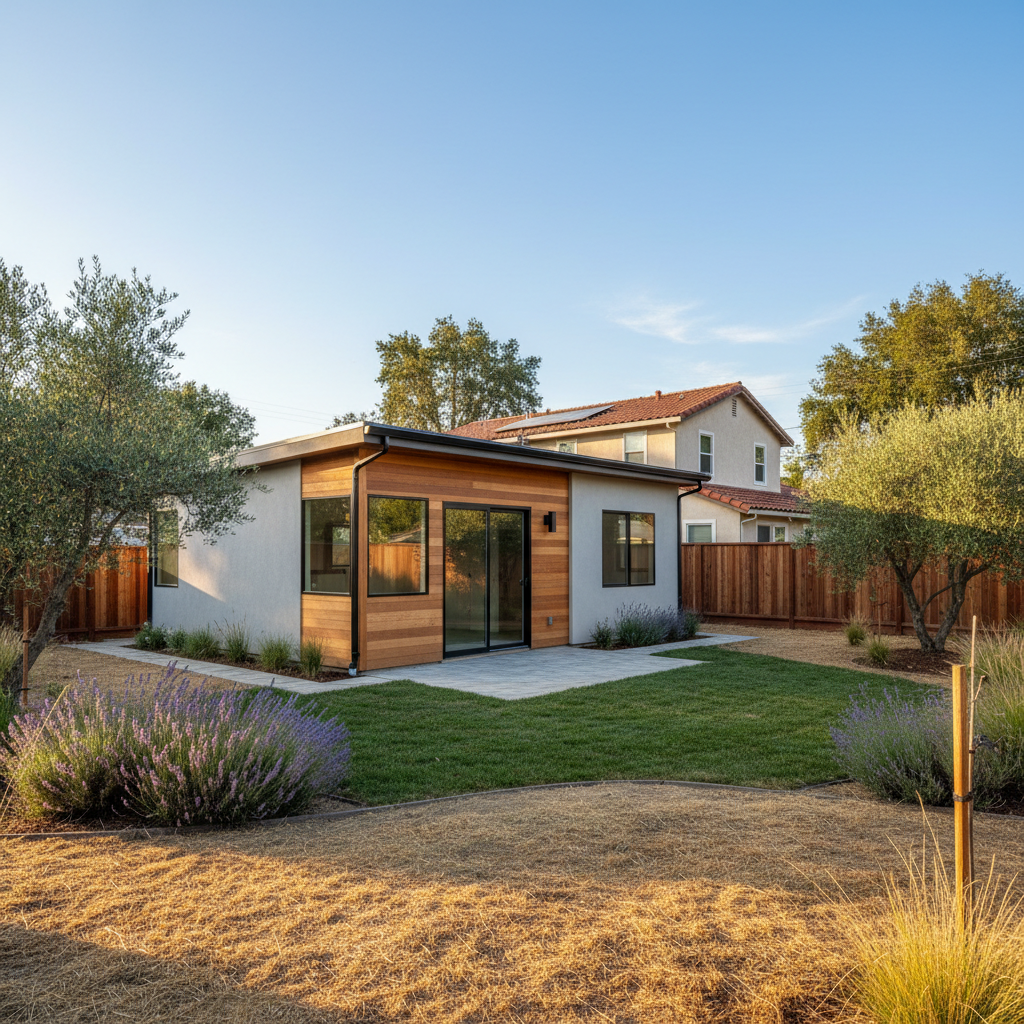
So, you're thinking about building a detached ADU right here in Santa Rosa. Good call. They really do add value, can bring in some rental income, or just give you that extra space you've been dreaming of. But let's be real, the first thing everyone asks is, "What's this actually going to cost me?" It's not a simple answer, no, but I can certainly give you some solid numbers and point out what factors really make the price go up or down.
What Makes the Price Tag Tick?
Lots of things feed into the final cost of a detached ADU. It's not just the square footage, though that's a big piece of it. Honestly, think of it like building a custom home, just, you know, smaller. Here's what I consistently see making the biggest difference:
- Size and Layout: Pretty obvious, right? A 1,200 sq ft, two-bedroom unit with a full kitchen and two bathrooms will naturally cost more than a 400 sq ft studio. More walls, more plumbing, more electrical lines, more roofing. Simple math.
- Foundation Type: This one's a huge deal, especially around here. If your lot is nice and flat and the soil's cooperative, a standard slab-on-grade foundation is usually the cheapest way to go. But if you're on a slope, or if we run into expansive clay soils – which we definitely have in spots like Bennett Valley – you might be looking at a pier and beam foundation or even a raised foundation with a crawl space. That just adds complexity, and yes, cost.
- Site Work & Utilities: People often forget about this. How far away is your new ADU from your existing sewer line, water main, and electrical panel? If we have to dig a trench 100 feet across your yard, that's more labor and materials than if it's only 20 feet. Grading, drainage, retaining walls if your site demands them – these are all serious expenses.
- Finishes & Features: Are you leaning towards basic laminate countertops and vinyl flooring, or do you picture quartz and hardwood? Stainless steel appliances or standard white? Custom cabinets or something off-the-shelf? These choices can shift the interior cost by tens of thousands, easily.
- Design Complexity: A simple rectangular box is always cheaper to build than something with multiple bump-outs, tricky rooflines, or a bunch of custom windows. Every angle and unique detail adds to the labor and material costs.
- Permitting & Fees: Santa Rosa, like any city, has its permits and fees. These aren't optional, and their cost can change based on how big your project is. We handle all that for you, but it's definitely part of the total budget.
Typical Cost Ranges for Detached ADUs
Okay, let's get down to some actual numbers. Based on what I've seen homeowners pay for good, permitted work right here in Santa Rosa, you're generally looking at:
- Small Studio (400-500 sq ft): For a basic, functional studio with standard finishes, you're probably in the $200,000 - $275,000 range. This assumes reasonable site conditions and utility hookups, of course.
- One-Bedroom (500-750 sq ft): A comfortable one-bedroom unit, maybe with a slightly nicer kitchen or bathroom, could run you anywhere from $275,000 - $375,000.
- Two-Bedroom (750-1,200 sq ft): For a larger, family-sized unit, especially if you're choosing higher-end finishes, expect to pay $375,000 - $550,000+.
These are rough estimates, naturally. Every single project is unique. But these numbers should give you a pretty realistic starting point for your budget.
What's Included in a Quote from Santa Rosa ADU Solutions?
When you get a quote from us, we really try to make it as complete as possible. You won't find a bunch of hidden fees popping up later, that's for sure. Here's generally what we cover:
- Architectural Design & Engineering: We take care of the plans, structural engineering, and energy calculations needed for permitting.
- Permitting & Fees: All city and county permits, impact fees, and plan check fees are usually included.
- Site Work: This covers excavation, grading, utility trenching, and hookups for water, sewer, gas, and electrical.
- Foundation: Whatever foundation type your site needs, from a simple slab to a raised one.
- Framing & Roofing: The whole structure, including walls, roof trusses, and roofing materials.
- Exterior Finishes: Siding, windows, doors, exterior paint.
- Insulation & Drywall: All interior wall and ceiling finishes.
- Plumbing & Electrical: All rough-ins, fixtures, wiring, panels, and connections.
- HVAC: Heating and cooling systems.
- Interior Finishes: Flooring, cabinetry, countertops, interior paint, trim, and light fixtures.
- Project Management: Coordinating all the different trades, inspections, and keeping your project on schedule.
What's usually not included in our base quote, unless you specifically ask for it, are things like landscaping, fences, decks, or those really high-end custom features you might want to add later. We'll always make that super clear upfront.
How to Avoid Overpaying
Nobody wants to feel like they're getting ripped off. Here's my best advice for keeping costs in line without cutting corners on quality:
- Be Clear on Your Vision: Before you even chat with a builder, have a really good idea of what you want. The more changes you make once construction starts, the more expensive it gets.
- Prioritize Your Finishes: You don't need top-of-the-line everything. Decide where you want to splurge (maybe a fantastic kitchen) and where you can pick more budget-friendly options (like standard bathroom tiles).
- Get Multiple Bids (But Compare Apples to Apples): Always get a few quotes. But make absolutely sure each builder is quoting the exact same scope of work. A lower price might just mean they've left out crucial things.
- Ask About Allowances: If a quote has a lot of "allowances" for things like flooring or fixtures, push for specifics. An allowance that's too low will definitely mean you're paying extra later.
- Don't Skimp on Site Prep: I've seen people try to cut corners here, and it almost always leads to bigger problems and more expense down the road. Get the foundation and utility work done right from the start.
- Work with a Local, Reputable Contractor: This is huge, truly. Someone who knows the local building codes, has connections with local suppliers, and understands the unique challenges of building in Sonoma County – like our specific seismic requirements – will save you headaches and money over time. That's what we really pride ourselves on at Santa Rosa ADU Solutions.
Building an ADU is a big investment, but it's one that usually pays off. Do your homework, ask the right questions, and work with people you trust. You'll end up with a great space that serves your needs for years to come.