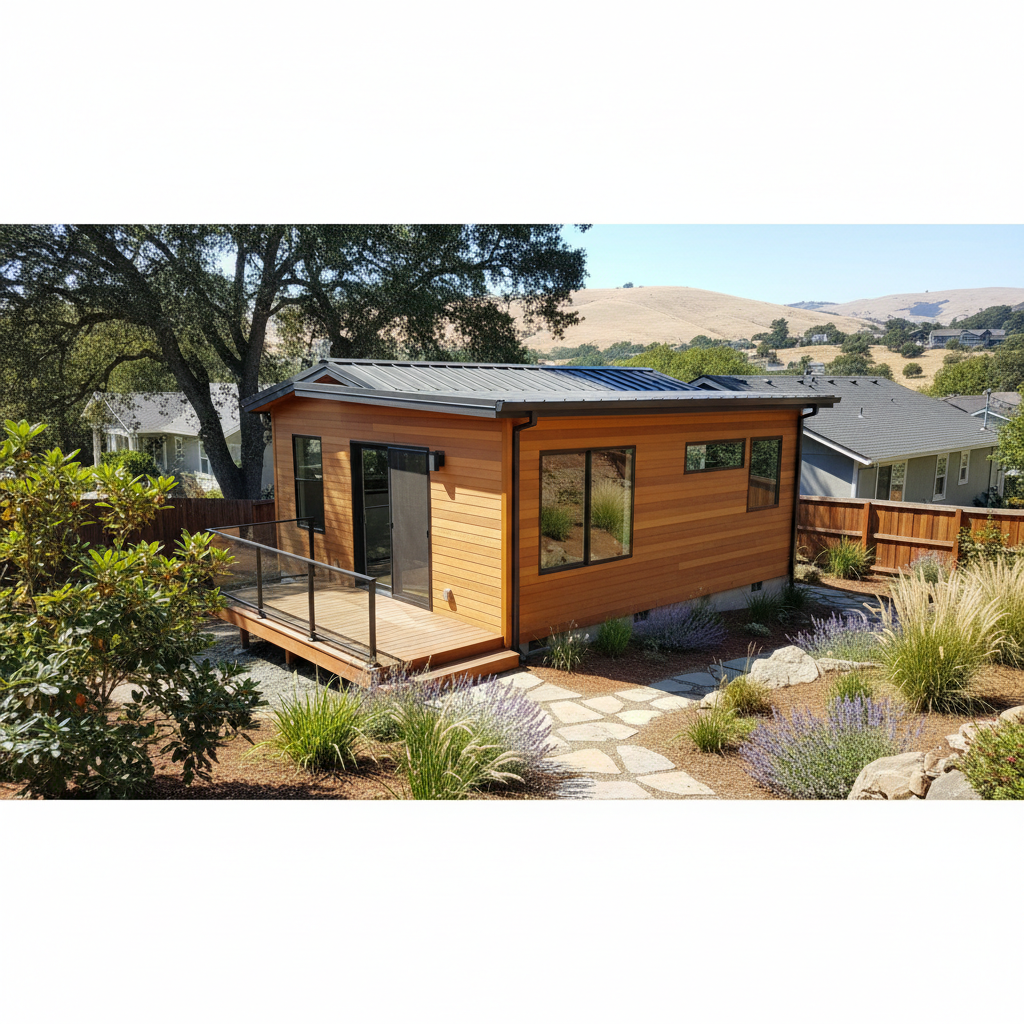
Finding the right contractor for your ADU project in Santa Rosa isn't just about getting a good price, is it? It's about finding someone you can trust with a pretty big investment, someone who really knows their stuff and won't leave you in the lurch. I've seen enough projects go sideways when folks don't do their homework, so let's talk about how you can protect yourself and get a solid build.
Questions to Ask Every Potential Contractor
You're not just hiring a builder; you're bringing on a partner for several months. You really need to know they're competent and reliable. Here are some questions you absolutely must ask:
- "How many ADUs have you actually built in Santa Rosa?" This isn't just about general construction experience, believe me. ADUs have their own permitting quirks, especially with our local planning department. Someone who's done a dozen ADUs right here will know the ropes better than someone who's only built custom homes over in Sonoma.
- "Can I see your license and insurance?" Don't just take their word for it. Ask for their California Contractors State License Board (CSLB) number and their general liability and workers' compensation insurance certificates. You can look up their license online to make sure it's active and clean, which is a big deal.
- "Who will be my main point of contact, and how often can I expect updates?" Communication is huge. You don't want to be guessing what's happening. A good contractor will have a clear plan for keeping you in the loop.
- "How do you handle change orders?" Things can change during a project, that's just how it goes. A clear process for documenting and approving changes—and how those changes affect the timeline and budget—is crucial. You definitely don't want surprises.
- "What's your typical project timeline for an ADU of this scope?" This gives you a realistic expectation. If someone promises a four-month build when everyone else is saying six to eight, well, that's a red flag right there.
- "Can you provide references from your last three ADU clients?" And then actually call them. Ask about communication, quality, how well they stuck to the budget, and how they handled any issues that came up.
What to Look For in a Quote
A quote isn't just a number; it's a detailed breakdown of what you're getting. A good quote should be comprehensive, not just a single line item. Here's what I look for:
- Detailed Scope of Work: It should clearly list everything included: demolition, foundation, framing, roofing, plumbing, electrical, HVAC, finishes (flooring, cabinets, paint), landscaping, and site cleanup. If it's vague, ask for clarification.
- Material Specifications: Does it specify the type of windows, insulation R-values, roofing material, or even the brand of appliances if they're part of the deal? Specificity helps avoid misunderstandings later.
- Payment Schedule: This should be tied to project milestones, not just arbitrary dates. A small deposit upfront, then payments as phases are completed (e.g., foundation, framing, rough-ins, finishes). Never pay for work that hasn't been done.
- Allowances: For things like light fixtures, flooring, or tile where you'll be making selections, there might be an 'allowance' – a set amount budgeted. Make sure you understand these allowances and what happens if you go over or under.
- Permit Costs: Are these included or separate? Often, the contractor will handle the permitting process, but the fees themselves might be a separate line item or an allowance.
- Exclusions: Just as important as what's included is what's NOT included. This prevents assumptions.
At Santa Rosa ADU Solutions, we make sure our quotes are transparent. We want you to understand exactly what you're paying for.
Red Flags You Can't Ignore
You'll get a gut feeling about people, but here are some concrete signs to watch out for:
- Demands for Large Upfront Payments: In California, it's illegal for a contractor to ask for more than 10% of the contract price or $1,000, whichever is less, as a down payment. If they ask for more, walk away. Immediately.
- No Written Contract: A handshake deal is a recipe for disaster. Everything needs to be in writing.
- Unlicensed or Uninsured: This is a massive risk to you. If something goes wrong, you could be liable.
- High-Pressure Sales Tactics: "Sign today for a discount!" or pushing you to make quick decisions. A reputable contractor will give you time to review their proposal.
- Only Cash Payments: This is a huge red flag for tax evasion and lack of accountability.
- Can't Provide References or Portfolio: If they're good, they'll have happy clients and photos of their work.
- Estimates that are Significantly Lower than Others: While everyone wants a deal, if one quote is drastically cheaper, they're either cutting corners, using inferior materials, or they've missed something big. It's rarely a 'deal.'
Verifying Legitimacy
Before you sign anything, do your due diligence:
- Check the CSLB Website: Go to cslb.ca.gov. Enter their license number. Verify it's active, in good standing, and that the contractor's name matches. Look for any disciplinary actions.
- Verify Insurance: Ask their insurance company directly to confirm their policies are active and cover the scope of work.
- Google Them: Look for online reviews on platforms like Yelp, Google, or Houzz. Don't just look at the star rating; read the actual reviews. See how they respond to negative feedback.
- Check with the Better Business Bureau (BBB): While not definitive, it can provide another layer of insight into their business practices.
- Visit a Current Job Site (with permission): A good contractor might let you see a project in progress. This gives you a feel for their organization, safety practices, and the quality of their crew.
Taking the time to properly vet your ADU contractor will save you a lot of headaches, money, and stress down the line. It's your home, your money, and your peace of mind. Make sure you're making a smart choice.