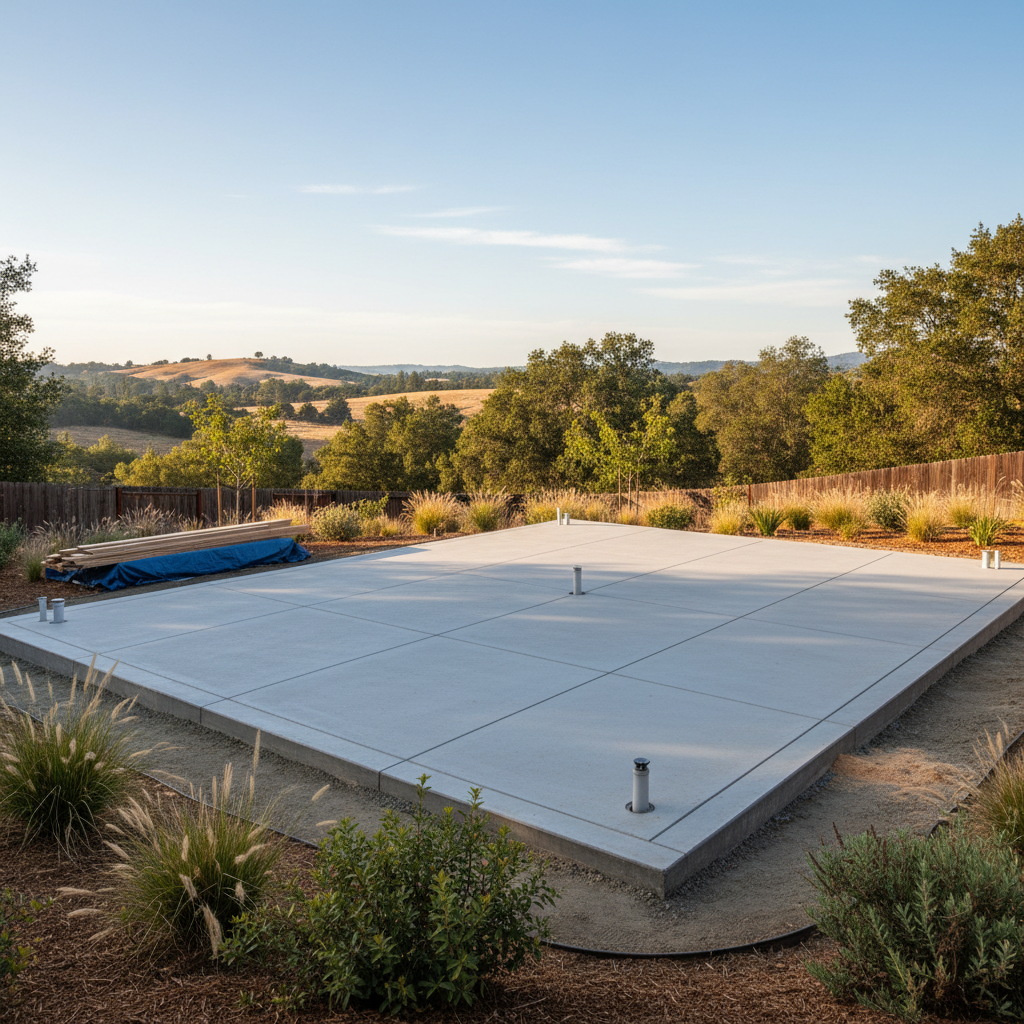
You've put good money into your ADU, whether it's for family, rental income, or just some extra space. The last thing you want is structural issues popping up down the road, right? When we talk about ADU engineering, we're really talking about the foundation, the framing, the roof structure – all the stuff that keeps your unit standing strong. Here in Santa Rosa, with our unique soil and occasional earthquakes, paying attention to these details isn't just smart, it's absolutely essential if you want your investment to last.
Extending the Life of Your ADU's Structure
Think of it like this: your ADU's engineering is its skeleton. You wouldn't ignore your own bones, would you? Longevity starts with good design and construction, which is something we really pride ourselves on here at Santa Rosa ADU Solutions. But once it's built, keeping an eye on things falls to you. Proper drainage around the foundation, for instance, is huge. Water is the enemy of foundations, especially with our clay soils in places like Bennett Valley. So, make sure gutters are clean, downspouts extend well away from the building, and the ground slopes away from the foundation. This stops water from pooling and, well, undermining the soil supporting your ADU.
Ventilation is another big one, especially in crawl spaces or attics. Good airflow stops moisture from building up, which can lead to dry rot or mold – both serious threats to your structure. If your ADU has a crawl space, check those vents regularly; make sure they aren't blocked by debris or overgrown plants.
What Regular Maintenance Looks Like
Regular maintenance for the engineering aspects isn't quite like changing your air filter every month. It's more about periodic checks. I'd say at least once a year, do a thorough walk-around. Look at the exterior walls for any new cracks, especially near windows or doors. Small hairline cracks in stucco might be nothing, but anything wider than a credit card or that extends diagonally could signal a foundation issue. Check the roofline too. Are shingles missing? Does the fascia board look soft or discolored? These aren't just cosmetic problems; they can actually lead to water intrusion that compromises the roof structure itself.
If you have access to a crawl space or attic, put on some old clothes and take a look. Are there any signs of water stains on the wood? Any strange smells? Is insulation falling down? These are all things that can impact the structural integrity over time if you just leave them. Oh, and don't forget about pest control. Termites love damp wood, and they can do a lot of damage before you even know they're there.
Warning Signs of Problems
So, what are the real red flags? Here's what you truly need to watch for:
- New or expanding cracks: Especially in the foundation, exterior walls, or interior drywall. If a crack suddenly appears or gets bigger, that's a problem.
- Uneven floors: If you start noticing a slope where there wasn't one before, or doors and windows that stick or don't close properly, that's a strong indicator of foundation movement.
- Sagging roofline: From the street, take a look at your roof. Does it look straight, or is there a noticeable dip or sag? This could mean structural issues with the rafters or trusses.
- Persistent moisture: Water stains on ceilings, walls, or in the crawl space that keep coming back even after you've tried to address them.
- Musty odors: Especially in basements or crawl spaces, this is a dead giveaway for mold or mildew, which thrive in damp conditions that can damage wood.
When to Call a Professional
Look, you're not expected to be a structural engineer. That's my job, and the job of other pros. If you see any of those warning signs I just mentioned, don't wait. It's always better to catch these things early. A small crack today can become a major repair tomorrow. You'd call a doctor for a persistent cough, right? Same idea here. Call a foundation specialist, a structural engineer, or a general contractor experienced in ADUs.
Even if you're not seeing obvious problems, getting a professional inspection every 5-10 years isn't a bad idea, especially after a significant seismic event. A qualified inspector can spot subtle issues that you might miss. They can check the framing, the foundation, the roof structure, and make sure everything is still up to snuff. It's a small investment that can save you from much bigger headaches and expenses down the line. Keeping your ADU in top shape protects your property value and ensures it serves its purpose for years to come.