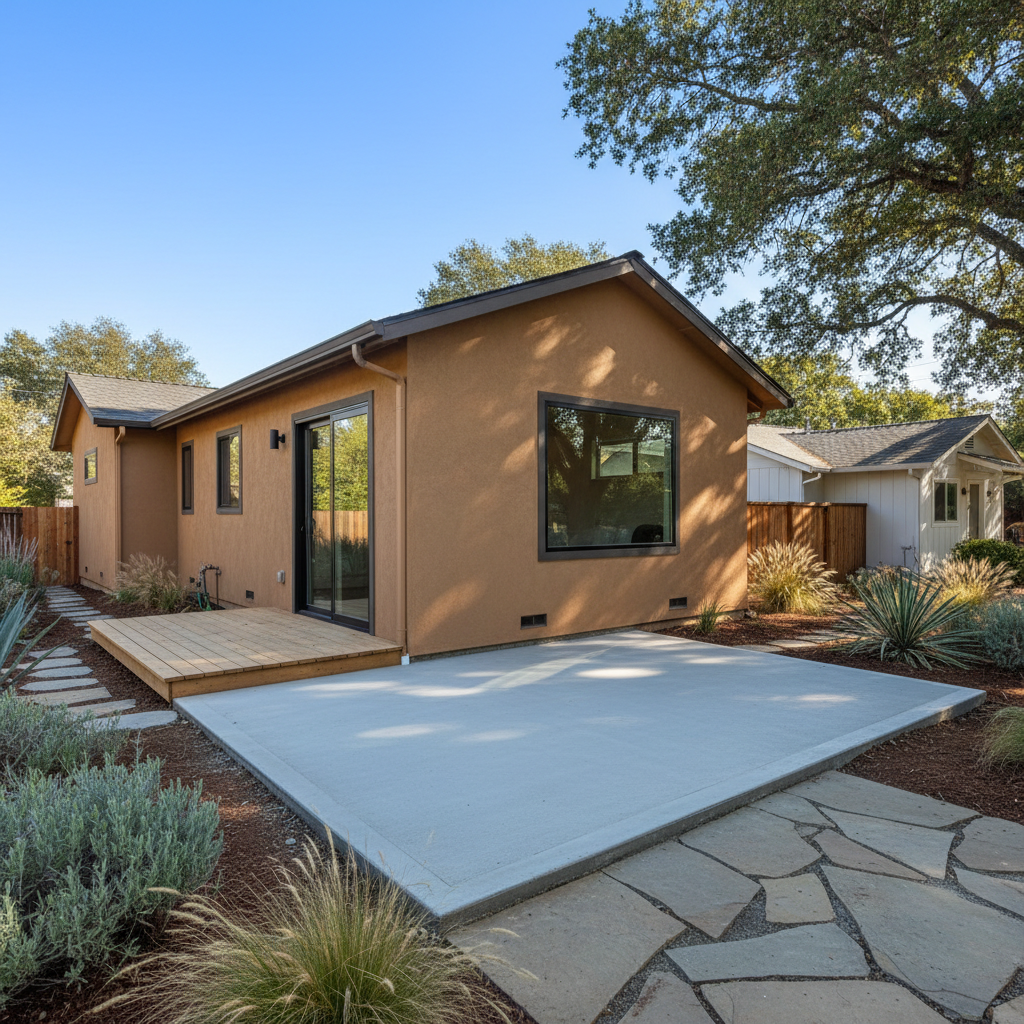
You’ve invested in an ADU, and that’s a smart move. But just like any part of your home, its structural integrity — the engineering behind it — needs a little attention to keep it solid for the long haul. We’re talking about the foundation, the framing, the roof structure; all the stuff that makes it stand up and stay dry. Here in Santa Rosa, with our occasional heavy rains and the ever-present seismic considerations, taking care of these elements isn't just good practice. It's absolutely essential.
Extending the Life of Your ADU's Engineering
Think of your ADU's engineering as its skeleton. You wouldn't neglect your own bones, right? Same goes here. The biggest thing you can do to extend the life of the structural work is to prevent water from getting in. Water is the enemy of wood, concrete, and steel. Keep your gutters clean, make sure downspouts direct water well away from the foundation, and check your grading. If water pools around the foundation, you're asking for trouble down the line – foundation cracks, wood rot, you name it. Good drainage is super important, especially after our winter storms.
Managing vegetation is another key. Trees and large shrubs too close to the foundation can cause issues. Their roots can actually push on foundations, and how much moisture they absorb can lead to soil shrinkage and settlement. Trim them back, or maybe think about moving them if they're too close.
What Regular Maintenance Looks Like
Regular maintenance for the 'bones' of your ADU isn't usually a weekly chore, but it does require periodic checks. I’d say do a thorough visual inspection twice a year – once before the rainy season starts, and again after it wraps up.
- Foundation Check: Walk around the perimeter. Look for cracks in the concrete, especially horizontal ones or those that are wider than a credit card. Check for any signs of settling or shifting, like gaps between the foundation and the siding.
- Crawl Space/Underfloor (if applicable): If your ADU has a crawl space, get in there (or have someone do it). Look for standing water, too much moisture, mold, or wood rot on the joists and subfloor. Make sure vents aren't blocked.
- Roof Structure: You’re not climbing on the roof to inspect trusses, obviously. But from the ground, look for any sagging in the roofline. Inside, in the attic space, check for water stains on the underside of the roof sheathing or rafters. Make sure insulation isn't wet.
- Exterior Walls: Look for cracked stucco, loose siding, or gaps around windows and doors. These aren't just cosmetic, you know; they're entry points for water that can damage the framing.
- Deck/Porch Support: If you've got a deck or porch attached, check the posts and footings. Look for rot where wood meets concrete, or any signs of movement.
These simple checks can catch small problems before they become big, expensive ones.
Warning Signs of Problems
Some things you just shouldn't ignore. These are red flags that tell you something structural might be going on:
- New or Growing Cracks: Especially in the foundation, interior walls, or ceilings. Hairline cracks are often just plaster shrinkage, but anything wider than 1/8 inch or that's actively growing needs attention.
- Doors or Windows Sticking: If a door or window suddenly won't open or close properly, it can indicate shifting in the framing.
- Sloping Floors: If you feel like you're walking uphill or downhill in certain parts of your ADU, that's a sign of foundation settlement or floor joist issues.
- Dampness or Musty Odors: Persistent dampness in the crawl space or a musty smell can point to water intrusion and potential wood rot.
- Sagging Roofline: From the street, if your roof looks like it's dipping in the middle, that's a serious structural concern.
Don't panic if you see one of these, but definitely don't ignore it either.
When to Call a Professional
Look, you don't need to be an engineer to own an ADU. That's my job, and the job of other skilled tradespeople. If you spot any of those warning signs, or if your regular maintenance check reveals something you're unsure about, that's when you call in a professional. For foundation issues, you'll want a structural engineer or a foundation repair specialist. For framing or roof structure concerns, a general contractor or a framing contractor can assess the situation. Here at Santa Rosa ADU Solutions, we've seen it all, from minor fixes to significant structural repairs. Getting an expert opinion early can save you a ton of money and stress down the road. It’s always better to be safe than sorry when it comes to the structural integrity of your property.